The Role of Fire Suppression Systems in Commercial Kitchen Safety
If you have ever worked in a restaurant kitchen, you know the heat is not just from the stoves. The clatter of pans, the shout of orders, and the constant sizzle create a rhythm that can be broken in an instant by a grease fire. I have seen it happen. One moment a cook is flipping burgers, the next a flame shoots up from the fryer and licks at the hood. That is when you understand why fire suppression systems are not optional equipment. They are the difference between a messy cleanup and a total loss.
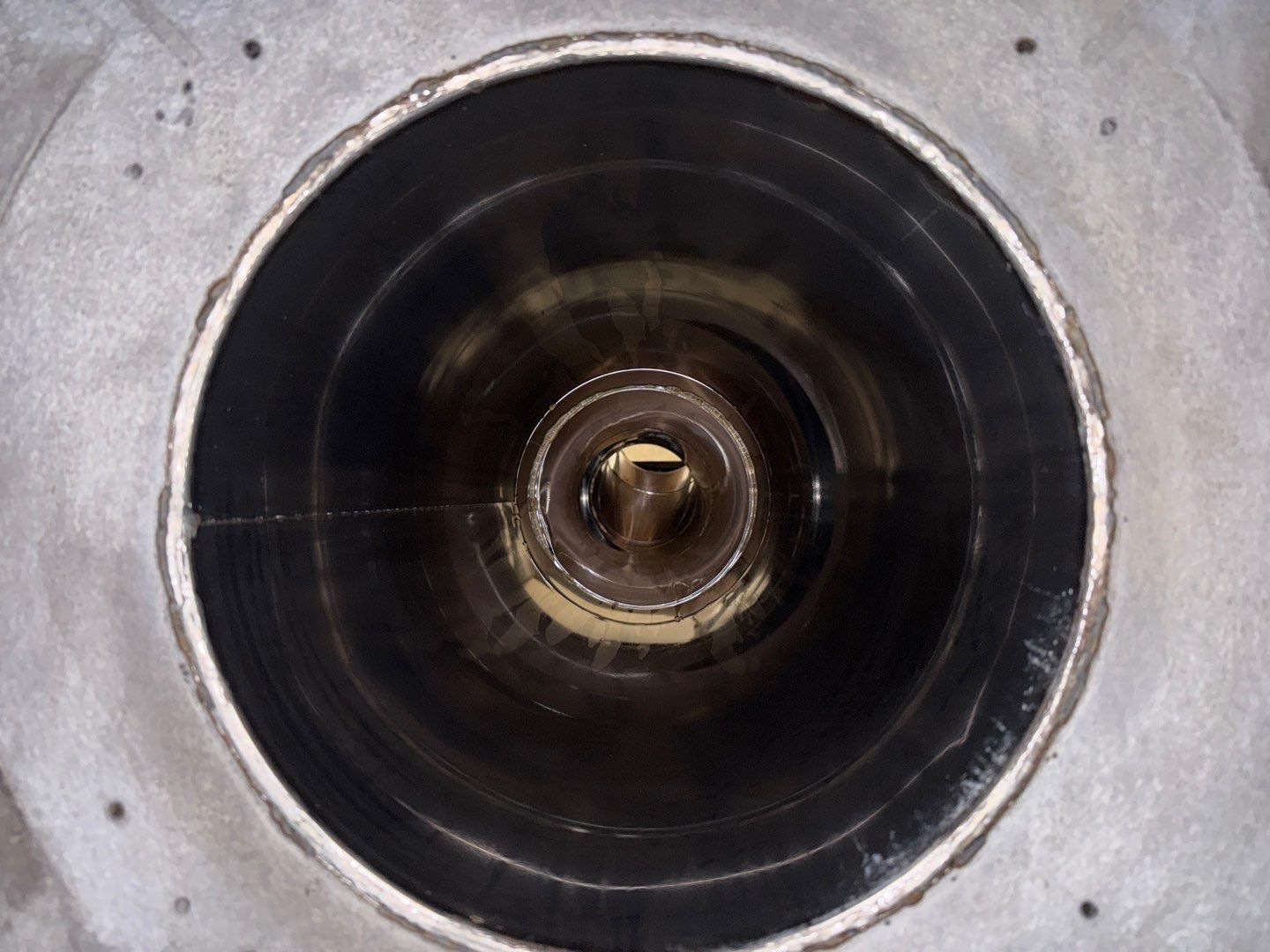
Commercial kitchens produce a lot of grease. It floats into the air, sticks to surfaces, and builds up in places you cannot easily see. Over time, that grease becomes a serious fire hazard. The National Fire Protection Association, specifically NFPA 96, sets the standard for keeping these spaces safe. The standard covers everything from the design of the ventilation system to how often you must clean the exhaust duct. One of the most critical parts of that standard is the bare metal standard for interior surfaces of the hood and ductwork. Grease buildup hides in corners and along seams, and the only way to be sure it is gone is to scrape down to bare metal. That is where hood cleaning comes in, and it directly ties into how well your fire suppression systems will work when a fire starts.
Fire suppression systems in a commercial kitchen are not like the sprinklers in an office building. They are designed to handle the specific risks of a restaurant kitchen. Most systems use a wet chemical agent that smothers flames and reacts with grease to form a foam blanket. That blanket prevents re-ignition. The system typically connects to the cooking appliances and the hood suppression unit, so when a fire breaks out, the system discharges automatically. It also shuts off the fuel supply to the appliances and, in many cases, turns on the exhaust fan to clear smoke. Without that coordination, a fire can spread faster than anyone can react.
Why the Bare Metal Standard Matters
The bare metal standard is one of the most misunderstood requirements in fire code compliance. Some operators think a quick wipe-down is enough. It is not. Grease penetrates into tiny pits and scratches on the metal surface. If you do not remove it completely, it bakes on and becomes a hard, crusty layer that can ignite at lower temperatures. I once inspected a kitchen where the hood had not been cleaned properly for months. The grease layer was nearly a quarter-inch thick in places. The fire suppression system was tested and passed its inspection, but when I asked about the cleaning schedule, the manager shrugged. He said they wiped the filters every week. That is not enough. The interior of the exhaust duct and the hood itself must be scraped and scrubbed until the metal shines. That is the only way to ensure that a fire will not find fuel hidden in the system.

Regular hood cleaning by a certified professional is the most reliable way to meet the bare metal standard. The process involves removing the grease filters, accessing the exhaust duct, and using specialized tools to scrape away buildup. The technician then applies a degreaser and pressure-washes the surfaces. After that, they inspect every inch for remaining grease. If they find any, they repeat the process. A good cleaning company will provide a report that documents the work and notes any areas that need attention. That report is your proof of compliance for insurance and fire marshals.
How Fire Suppression Systems Work with Your Kitchen Exhaust System
Your kitchen exhaust system is the backbone of fire safety in the kitchen. It pulls heat, smoke, and grease-laden air out of the cooking area and vents it outside. The fire suppression systems sit inside the hood and link to the exhaust fan. When the system activates, it sends a signal to the fan to keep running or to stop, depending on the design. Some systems also close dampers to contain the fire. The goal is to contain the fire within the hood and ductwork while the suppression agent puts it out. If the exhaust duct is clogged with grease, the system cannot do its job. The fire can travel past the suppression area and ignite the grease in the duct, which leads to a duct fire. Those fires are especially dangerous because they can spread to the building structure.
An Ansul system is a common brand of fire suppression system in commercial kitchens, but the principles are the same across different manufacturers. The system includes a control panel, piping, nozzles, and detection devices. The detection devices are typically fusible links or thermal sensors that melt or trigger at a set temperature. When a link melts, it releases a cable that opens a valve, allowing the wet chemical to flow through the nozzles. The nozzles are positioned to cover the cooking surfaces and the hood interior. Proper placement is critical. If a nozzle is blocked by a grease buildup or a misaligned grease filter, the coverage area is reduced, and the fire may not be fully extinguished.
Inspections and Maintenance: Not Optional
Fire code compliance requires regular inspections of both the fire suppression systems and the kitchen exhaust system. Most jurisdictions follow NFPA 96, which mandates inspections every six months for the fire suppression system and quarterly for the hood and duct cleaning. Some high-volume kitchens may need more frequent cleaning. The inspection of the fire suppression system includes checking the pressure gauge, verifying that the nozzles are clear, testing the detection links, and ensuring that the system is connected to the appliances correctly. The hood inspection covers the condition of the grease filters, the cleanliness of the interior surfaces, and the operation of the exhaust fan.
I have seen kitchens where the fire suppression system was installed but never tested. The manager assumed it would work if needed. That is a dangerous assumption. Systems can develop leaks, nozzles can become clogged, and detection links can corrode. A failed system during a fire can lead to injuries, property damage, and legal liability. Regular testing and maintenance by a qualified technician are essential. The technician should also check the UL 300 listing of the suppression agent to ensure it is approved for the type of cooking equipment you use. UL 300 is the standard for wet chemical fire suppression systems in commercial cooking operations. Using an agent that is not UL 300 listed can void your insurance and fail an inspection.

Practical Considerations for Restaurant Owners
Running a restaurant is hard enough without worrying about fire safety. But ignoring it is a gamble you cannot afford. A fire in a commercial kitchen can close your business for weeks or even permanently. Beyond the physical damage, there are fines for non-compliance, increased insurance premiums, and potential lawsuits. Investing in proper fire protection is a cost of doing business, not an optional expense.
Here are a few things to keep in mind:
- Schedule hood cleaning at least every three months, or more often if you cook with solid fuels or high-fat content foods.
- Have your fire suppression systems inspected by a certified technician every six months. Keep records of all inspections and cleanings.
- Train your staff on what to do if the fire suppression system activates. They should know to evacuate the area and not try to override the system.
- Check your grease filters weekly. Clean or replace them if they are clogged or damaged. A blocked filter reduces airflow and increases grease buildup in the duct.
- Work with a cleaning company that understands the bare metal standard and can provide a detailed report after each service.
One thing that surprises many owners is that a clean hood and duct can actually improve the efficiency of your kitchen exhaust system. When grease builds up, it acts as an insulator, trapping heat and reducing the ability of the exhaust fan to pull air. That means your ventilation system has to work harder, which costs more in energy and shortens the life of the fan. A clean system runs cooler and quieter, and it helps your kitchen stay comfortable for your staff.
The Human Factor
Fire safety is not just about equipment and standards. It is about the people who work in the kitchen. A cook who knows that the fire suppression systems are properly maintained feels safer. A manager who understands the risks can make better decisions about cleaning schedules and training. I have talked to many restaurant owners who told me they thought fire code compliance was just a bureaucratic hassle until they saw the aftermath of a kitchen fire. One owner described walking into his kitchen the morning after a fire. The hood was blackened, the duct was warped, and the smell of burnt grease hung in the air. He said it looked like a war zone. His fire suppression system had activated and saved the building, but the cleanup took weeks and cost tens of thousands of dollars. He now schedules hood cleaning every month and has his system inspected quarterly.
That story sticks with me because it shows how easily a preventable situation can become a crisis. Grease buildup does not happen overnight. It accumulates gradually, and the risk grows with every meal you cook. The same is true for the fire suppression systems. They work silently in the background, but they need attention to stay ready. A small investment in maintenance today can save you from a devastating loss tomorrow.
Fire suppression systems are a critical layer of defense, but they are only as good as the cleaning and inspection program that supports them. The bare metal standard is not just a rule. It is a practical way to remove the fuel that feeds a fire. When you combine a clean hood and duct with a well-maintained fire suppression system, you create a kitchen that is safer for everyone. That is the goal of NFPA 96, and it is the reason why professional hood cleaning and regular system inspections are worth every penny.